


nguoiduatin-blog |
LƯỢT XEM: 11
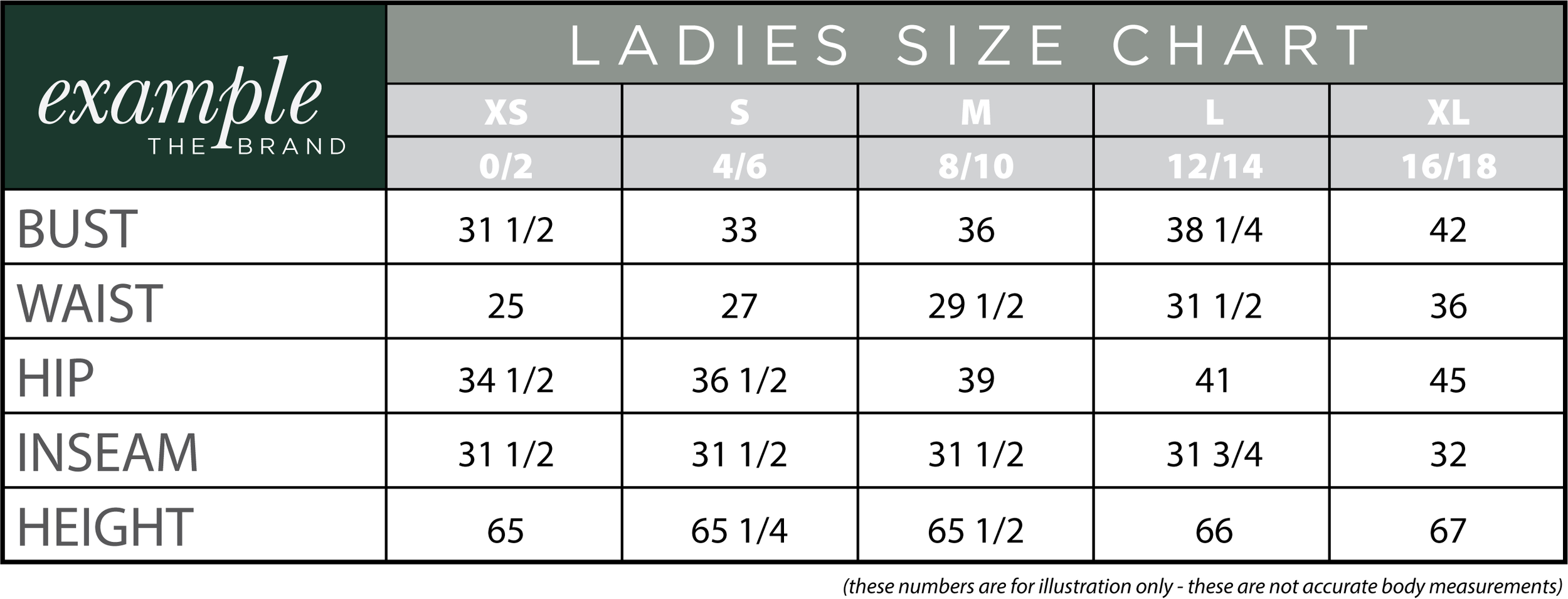
When it comes to selling apparel online or in stores, one of the most important tools you can provide your customers is an apparel size chart template. Whether you’re designing custom clothing, offering a variety of products, or simply looking to improve the shopping experience for your customers, a size chart plays a crucial role. At Ao Dong Luc, we understand the significance of getting sizes right, and in this guide, we’ll walk you through everything you need to know about apparel size chart templates.
Why Apparel Size Chart Templates Are Essential
An apparel size chart template is essential for any business in the fashion industry. Not only does it help customers choose the right size, but it also ensures that your products are well represented in terms of fit. This tool builds customer trust, reduces return rates, and increases sales by allowing customers to make confident purchase decisions.
At Ao Dong Luc, we know how challenging it can be for brands to find the perfect fit, especially in a market where sizes vary widely between regions. That’s why we always emphasize the importance of a clear, easy-to-read size chart to help your customers select the best size for them.
How to Create an Apparel Size Chart Template
Creating an apparel size chart template might seem daunting, but it’s actually quite simple when broken down. Here’s a step-by-step guide to help you get started.
1. Understand the Different Types of Measurements
Before diving into the design of your size chart template, it’s important to know which measurements are necessary. Common measurements include:
- Chest: For tops, shirts, and dresses, measure around the fullest part of the chest.
- Waist: Measure around the natural waistline, which is usually the narrowest part of the torso.
- Hips: For pants, skirts, and dresses, measure around the fullest part of the hips.
- Length: The overall length of the garment, from shoulder to hem or from the waist to the hem.
- Inseam: For pants, this is the measurement from the crotch to the ankle.
2. Select the Right Size Categories
There are various ways to categorize sizes based on your market and customer needs. For example, you could use:
- S, M, L, XL: Common for most casual apparel.
- Numeric sizes (0, 2, 4, 6, etc.): Often used in women’s clothing.
- Plus sizes (1X, 2X, etc.): These cater to customers who require larger sizes.
- Youth sizes: If you’re offering kids’ apparel, ensure that sizes are suitable for their body proportions.
Choosing the right categories will help your customers easily navigate your products, ensuring a seamless shopping experience.
3. Incorporate Clear Visuals and Instructions
It’s not just about numbers—your apparel size chart template should be easy to read and understand. Incorporate visuals like diagrams of how and where to measure for each size. Clear instructions guide the customer on how to take their own measurements, ensuring they’re selecting the right size.
Ao Dong Luc recommends using clean, clear visuals that will allow your customers to quickly and easily determine which size is right for them.
4. Use Standard Sizing Conventions
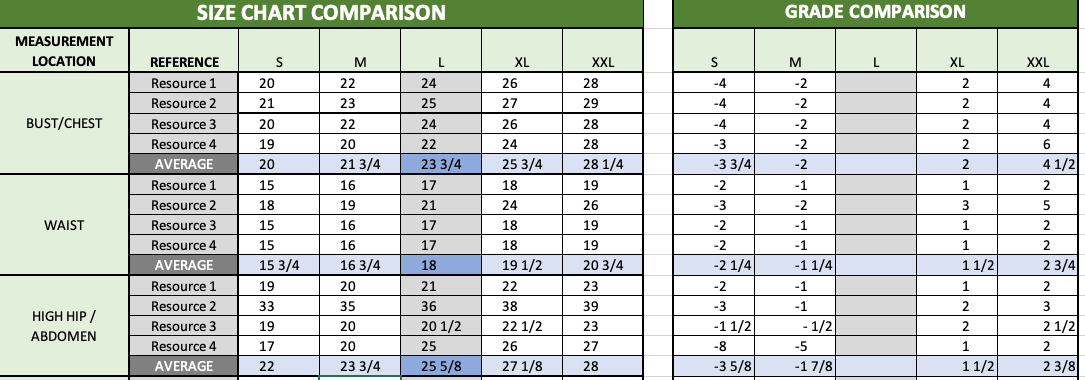
If you are selling internationally, make sure you understand the different sizing standards across regions. In the U.S., sizes are often categorized by small, medium, large, and extra-large, while in Europe and Asia, sizing may differ. It’s essential to have your size chart include measurements for both regions or offer a conversion guide for international customers.
By incorporating these considerations, you ensure that your size chart template is not only useful but also globally accessible.
Customizing Your Apparel Size Chart Template
Once you’ve established the necessary measurements and categories, it’s time to customize your apparel size chart template for your brand. Here’s how Ao Dong Luc tailors size charts for various needs:
1. Add Your Brand’s Identity
Your size chart should reflect your brand’s unique personality. If you have specific fonts, colors, or logos, ensure they’re integrated into the size chart design. This not only creates consistency across your branding but also helps reinforce your identity with your customers.
2. Make It Mobile-Friendly
In today’s digital age, many customers shop via mobile devices. Ensure your size chart template is mobile-friendly. Use a simple layout, minimal text, and large, easy-to-read numbers to ensure customers on all devices can easily read the size guide.
3. Provide Size Recommendations
To further enhance your customers’ shopping experience, consider adding size recommendations based on body types. For example, you could suggest “If you wear a size 6 in U.S. women’s sizes, we recommend a size M for this product.”
At Ao Dong Luc, we understand that personal preferences vary, so we often add additional tips or a fit guide to help customers choose based on the intended look or feel.
The Benefits of Using an Apparel Size Chart Template
There are many benefits to using a professional apparel size chart template, including:
1. Reducing Returns and Exchanges
A clear and accurate size chart reduces the likelihood of returns and exchanges. Customers who have accurate sizing information are more likely to purchase the right size on the first try.
2. Improving Customer Satisfaction
When customers receive clothing that fits them as expected, they’re more likely to be satisfied with their purchase. This leads to positive reviews, repeat business, and more brand loyalty.
3. Streamlining Your Online Store
By providing a well-designed size chart, you make the shopping process more efficient for your customers. This helps your customers feel confident in their purchase decisions and makes the shopping experience much smoother.
Best Practices for an Effective Apparel Size Chart Template
Here are some best practices to ensure your apparel size chart template works effectively for your customers:
1. Keep it Simple and Straightforward
Don’t overload your size chart with too much information. Use a clean layout with concise instructions to ensure it’s easy to read.
2. Provide a Fit Guide
Some customers prefer a more specific fit (e.g., slim fit, regular fit, or oversized). Provide a short guide to help them understand the fit of your products.
3. Use High-Quality Images
Include high-resolution, clear images and icons. The easier it is for customers to view, the more likely they are to engage with it and make a purchase.
Conclusion
Creating an apparel size chart template is an essential part of running a successful fashion business, whether online or in-store. At Ao Dong Luc, we believe that a well-designed size chart not only improves the customer experience but also helps build your brand’s reputation. Remember to keep the chart clear, easy to read, and informative, and tailor it to your brand’s identity for the best results. By following these guidelines, you’ll be able to create a size chart that helps customers confidently select the right size, reducing returns and enhancing customer satisfaction.

